
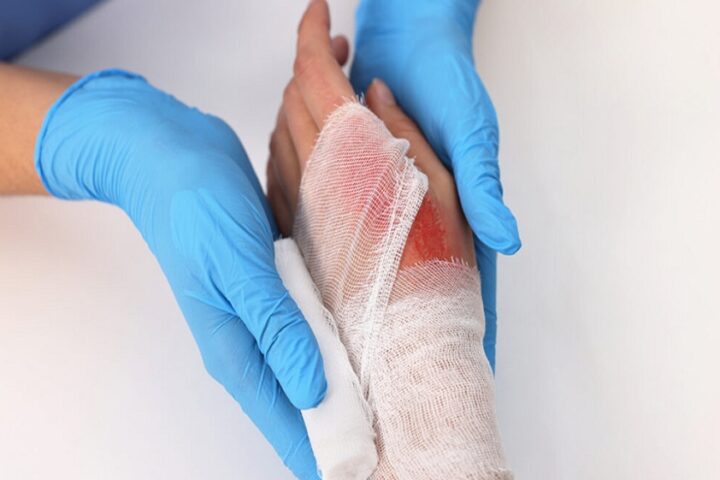
Proper wound care is one of the most important ways to protect your health and support your body’s natural healing process. Whether you’re dealing with a minor cut, a scrape, a surgical incision, or a chronic wound, knowing how to care for it correctly can significantly reduce the risk of infection and speed up healing. This guide breaks down the fundamentals of effective wound care, common mistakes to avoid, and when to seek medical attention.
Why Proper Wound Care Matters
Your skin serves as the body’s first line of defense. When it breaks, even slightly, bacteria and debris can enter, increasing the risk of infection. Good wound care doesn’t just keep the area clean; it promotes faster tissue repair, reduces scarring, and helps prevent long-term complications.
Proper wound care supports healing by minimizing bacteria, reducing inflammation, and maintaining ideal moisture levels. Whether you’re caring for your own wound or helping someone else, following a few essential steps can make a major difference.
Step 1: Clean the Wound Thoroughly
The first and most important step in wound care is cleaning the area. Start by washing your hands with soap and water. Rinse the wound gently under cool, running water to remove dirt, debris, or bacteria. Avoid using harsh chemicals like hydrogen peroxide or alcohol, which can damage healthy tissue and delay healing. Instead, use mild soap and water or a saline solution if available.
If debris remains in the wound after rinsing, you can use sterilized tweezers to remove it gently. Once the area is clean, pat the skin dry with a clean towel or sterile gauze.
Step 2: Control Bleeding Carefully
Most minor wounds stop bleeding on their own within minutes. If bleeding continues, apply gentle but firm pressure with clean gauze or a cloth. Elevating the wound above the heart can also help slow bleeding. For deeper wounds or those that continue bleeding after several minutes of pressure, medical attention may be necessary.
Step 3: Apply an Antibiotic Ointment
After cleaning the wound, applying a thin layer of antibiotic ointment can help prevent infections and keep the area moist. Moist wound environments are proven to heal faster and produce less scarring compared to wounds that dry out. Products such as bacitracin or triple antibiotic ointments are effective options. However, discontinue use if you notice redness, itching, or irritation, as this may indicate an allergic reaction.
Step 4: Cover and Protect the Wound
Keeping the wound covered is essential for proper healing. Use a sterile bandage, non-stick pad, or adhesive dressing to protect the wound from bacteria, friction, and dirt. Change the dressing daily or sooner if it becomes dirty or wet. Breathable, flexible bandages work well for small cuts, while larger wounds may require specialized dressings like hydrocolloid or foam pads.
Allowing a wound to “air out” is an outdated practice. Research shows that covered wounds stay cleaner, heal faster, and have less visible scarring.
Step 5: Monitor the Wound for Signs of Infection
Checking the wound regularly is key to catching early signs of infection. Warning signs include:
-
- Increasing redness
-
- Swelling or warmth around the area
-
- Pus or unusual discharge
-
- Foul odor
-
- Fever or chills
-
- Worsening pain
If you notice any of these symptoms, seek medical care promptly. Early treatment can prevent infections from spreading or becoming severe.
Step 6: Encourage Healing Through Nutrition
Wound healing starts from the inside out. Eating a balanced diet rich in protein, vitamins, and minerals supports tissue repair and immune function. Foods like lean meats, eggs, beans, citrus fruits, leafy greens, and whole grains provide essential nutrients such as vitamin C, zinc, and collagen-building amino acids.
Staying hydrated is equally important, as fluids help carry nutrients to healing tissues.
Common Wound Care Mistakes to Avoid
Even with good intentions, some habits can delay healing or cause complications. Avoid these common wound care mistakes:
-
- Picking at scabs or peeling skin
-
- Using harsh chemicals like alcohol or peroxide
-
- Keeping the wound too dry
-
- Ignoring early signs of infection
-
- Leaving a wound uncovered in dirty or outdoor environments
-
- Applying too much ointment or heavy creams
Being gentle and consistent with your wound care routine ensures better long-term results.
When to Seek Professional Medical Care
Some wounds require more than basic home care. You should see a healthcare provider if:
-
- The wound is deep, gaping, or longer than half an inch
-
- Bleeding doesn’t stop after 10 minutes of pressure
-
- There is debris that cannot be removed easily
-
- The wound was caused by a dirty or rusty object
-
- You haven’t had a tetanus shot in over 5 years
-
- Signs of infection appear
-
- The wound is caused by an animal or human bite
Chronic wounds, such as diabetic ulcers or pressure sores, always require professional evaluation and ongoing care.
Final Thoughts on Effective Wound Care
Wound care doesn’t have to be complicated, but it does need to be done correctly. By cleaning, protecting, and monitoring the wound, you give your body the best chance to heal quickly and safely. Whether treating a minor scrape or a more serious injury, following these steps can help prevent infection, reduce scarring, and promote faster recovery.
If you’d like this blog rewritten for a clinic website, a specific city, or optimized around a certain keyword, I can adjust it to fit your needs.